Rouler à l'innovation plutôt qu'au gazole

    Powered by innovation rather than diesel

    For several years now, SNCF Voyageurs has been trialling a range of alternative energy sources for its trains: from biofuel to hydrogen, all are currently being tested. In fact, you may already be travelling on some of them without even realising it.

    Updated on 21 July 20267-minute read

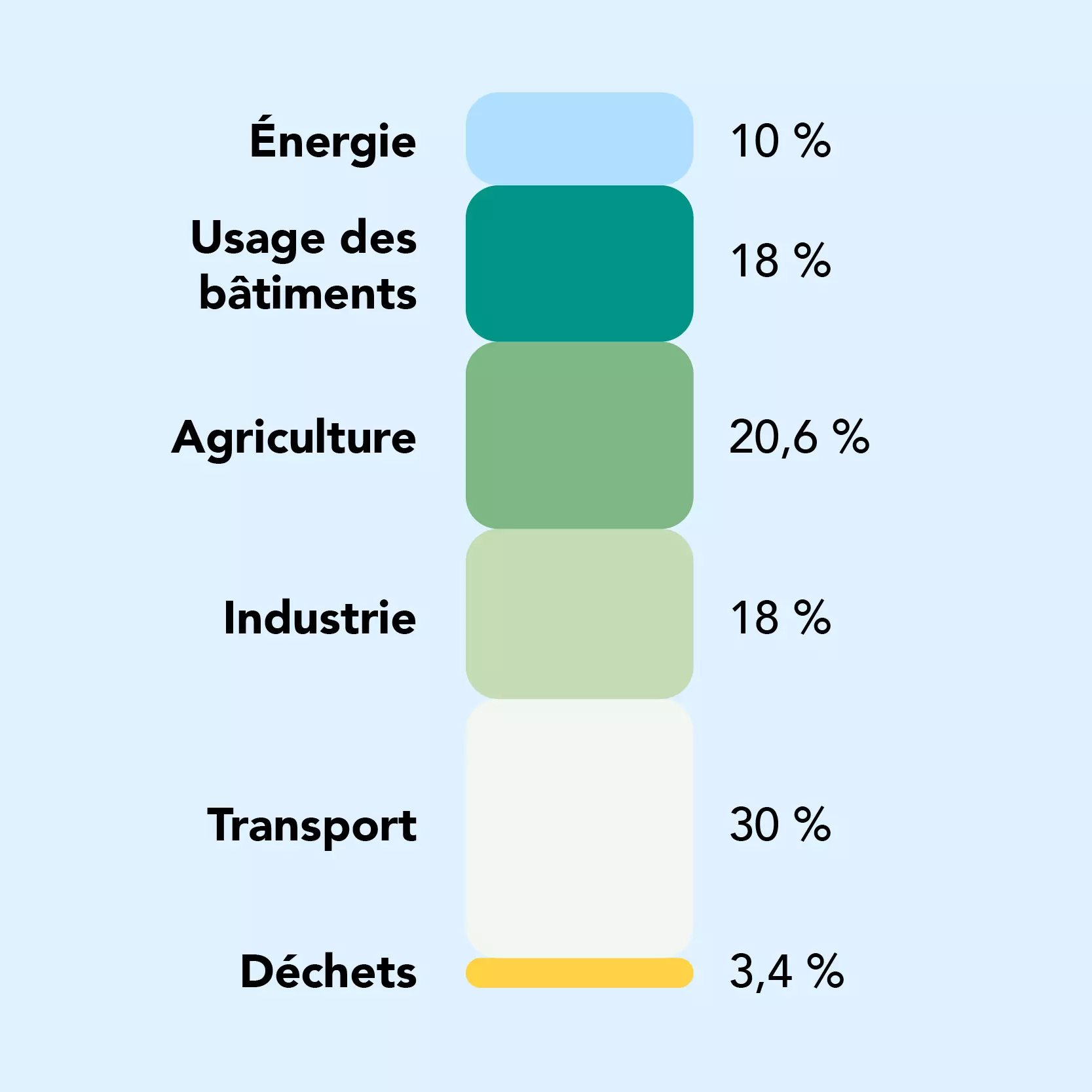
    30 per cent of transport emissions

    Répartition en pourcentage des émissions CO2 par secteur

    It is quite simply THE sector that emits the most CO₂, ahead of agriculture and industry. The culprit: the internal combustion engine car, which accounts for 60 per cent of its emissions, compared with a train, which accounts for just 2 per cent.

    HOWEVER, our strong carbon performance does not stop us from working ever harder to reduce our environmental impact, particularly in our biggest source of CO₂ emissions: traction and the energy it consumes.

    Alternative energy sources: worth a go and worth testing

    SNCF is France’s largest consumer of electricity, which is used primarily to power its trains. The most obvious solution is therefore to source our energy from renewable sources: by 2030, we aim to have 50 per cent of our electricity coming from renewable sources.

    But within the field of alternative energy sources, we have explored many other solutions and have shortlisted four: realistic, effective in terms of carbon performance, and deployable in the medium to long term. Biofuel co-produced from rapeseed (B100) or derived from waste (HVO100), batteries for shorter distances, hybrid technologies (batteries/overhead lines/internal combustion engine) and even hydrogen… All of these have moved beyond the stage of mere ideas. Biofuel-powered trains are already in service; trials of the hybrid train have been a success and are currently underway for battery-powered trains; and validation tests are being carried out on the hydrogen-powered train. We are analysing the performance of each option with a view to rolling them out and improving them based on the test results. Watch this space (at very high speed!).

    Up to a 60 per cent reduction in CO₂ emissions, depending on the technologies used

    Why do some trains still run on diesel?

    Because we would have loved to change everything at the snap of a finger: but it’s actually more complex (and also much longer) than that. But we’re working on it: and we explain this in more detail in our 2023 CSR & Transitions Report.

    In short, it takes time to switch over our energy sources: our advantage is that we started this process many years ago, and that we’re ready – in fact, we’re the first to be ready – to offer even more low-carbon trains that say ‘no, thank you’ to diesel.

    Browse through our latest report on the ecological transition

    We’ll tell you all about what SNCF Voyageurs is doing to make your low-carbon journey even more low-carbon – and much more besides.

    See also

    Adapting to climate change

    Read more

    Train + Bike = CO2mbo winner

    Read more

    CSR and Transitions Report

    Mobiles et mobilisés pour la planèteRead more

    Header : © SNCF Voyageurs

    30 per cent of transport emissions : © SNCF Voyageurs

    See also : © SNCF Voyageurs / ©SNCF Voyageurs / ©SNCF Voyageurs